The rhetoric surrounding the confrontation between Iran and the United States has sharpened once again after comments from Donald Trump suggesting that military and strategic goals are “close to being achieved” and that the administration is prepared to “finish the job.” The phrasing, assertive and unambiguous, reflects not only a military posture but a political narrative designed to frame the conflict as nearing a decisive phase.
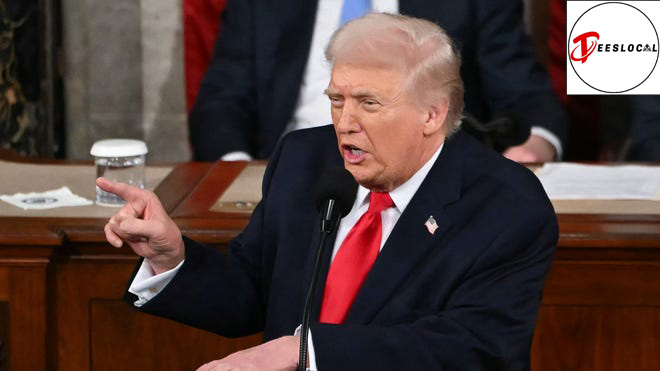
For observers around the world, these remarks raise pressing questions. What does “completion” mean in a conflict defined as much by deterrence and political messaging as by direct engagement? What signals are being sent to allies, adversaries, and domestic audiences? And perhaps most importantly, what happens if the final steps toward that goal do not unfold as cleanly as the rhetoric implies?
The Iran standoff has never been a conventional war. It has been a blend of cyber operations, economic sanctions, proxy tensions, regional maneuvering, and limited direct strikes. The complexity of this landscape means that any claim of nearing completion is less about territorial conquest and more about strategic positioning. It is about leverage, deterrence credibility, and the shaping of long term influence in a region where every action is interpreted through decades of historical mistrust.
Trump’s latest comments serve to compress that complexity into a simple narrative: progress has been made, objectives are in sight, and resolve remains firm. For supporters, this sounds like decisive leadership. For critics, it raises concerns about escalation and overconfidence. For global audiences, it signals that the temperature in the region remains high despite hopes for de escalation.
Strategic Messaging and the Power of Language in Modern Conflict
Modern geopolitical conflicts are fought as much through statements as through missiles. Words are signals, and signals shape behavior. When a leader publicly claims that objectives are nearly complete, it communicates confidence to allies, pressure to adversaries, and reassurance to domestic constituencies.
In this case, the phrase “finish the job” is particularly loaded. It implies unfinished business, a narrative of mission continuity that resonates strongly with a domestic audience familiar with prolonged conflicts in the Middle East. At the same time, it puts pressure on Iranian leadership by suggesting that the United States believes it holds the strategic upper hand.
This type of messaging also narrows diplomatic space. Once a leader declares that success is within reach, backing away or pivoting toward negotiation can appear as retreat. That creates a dynamic where rhetoric may inadvertently shape policy options, even if circumstances on the ground call for flexibility.
Iran, for its part, has long demonstrated skill in interpreting and responding to these signals. Its approach often combines patience with indirect responses, avoiding actions that justify large scale retaliation while maintaining pressure through regional allies and asymmetric tactics. When confronted with assertive language from Washington, Tehran’s response is rarely immediate or predictable. It is measured, strategic, and designed to maintain ambiguity.
This interplay of messaging becomes a form of strategic chess. Each statement is evaluated for intent. Each movement is watched for signs of escalation or de escalation. In such an environment, claims of nearing completion are less a description of current reality and more a tool intended to shape the next phase of interaction.
What “Completion” Might Look Like in a Non Traditional War
Unlike conventional wars that end with treaties, borders redrawn, or clear surrenders, this conflict lacks a simple endpoint. There are no formal declarations of war and no straightforward metrics for victory. Instead, “completion” may refer to achieving specific strategic benchmarks: degrading capabilities, deterring future aggression, or reshaping the balance of power in the region.
From Washington’s perspective, this could mean weakening Iran’s ability to project influence through allied groups, limiting its access to resources through sustained sanctions, or demonstrating that hostile actions carry tangible costs. From Tehran’s perspective, survival and continued influence may already constitute success, regardless of external pressure.
This divergence in definitions is critical. If both sides define success differently, both can claim victory while the underlying tensions remain unresolved. That creates the possibility of a prolonged state of hostility that never quite escalates into full scale war but never truly dissipates either.
Trump’s assertion that the job is nearly finished suggests that U.S. leadership believes certain key objectives have been met. Perhaps it reflects intelligence assessments, shifts in regional alliances, or internal political calculations. Yet for the broader international community, the lack of transparency around these benchmarks creates uncertainty. Without clear indicators of what “done” means, it is difficult to gauge how close the situation truly is to stabilization.
Regional and Global Implications of the Current Trajectory
The Iran confrontation does not exist in isolation. It influences oil markets, regional security dynamics, and the strategic calculations of other global powers. Countries across the Middle East monitor each development carefully, aware that missteps could pull them into a broader conflict.
Allies of the United States seek reassurance that firm rhetoric is paired with measured action. They want deterrence without chaos. Meanwhile, global powers with interests in the region assess how prolonged tension might shift influence and open opportunities for diplomatic or economic leverage.
Trump’s comments also resonate domestically. In an election driven political climate, strong language on national security can energize certain voter bases. It reinforces an image of decisiveness and strength. At the same time, it invites scrutiny from those concerned about the costs of extended engagement abroad.
The balance between demonstrating resolve and avoiding unintended escalation is delicate. Every statement contributes to that balance. The claim that goals are nearly achieved may calm some fears by implying an end is in sight, yet it may also heighten tension by suggesting that final, possibly riskier steps lie ahead.
A Conflict Defined by Perception as Much as Reality
Ultimately, this standoff is shaped by perception. Perception of strength, perception of intent, perception of capability. Trump’s words feed directly into that ecosystem of perception. Whether the situation is truly nearing a conclusion or entering another complex phase depends not only on actions taken but on how those actions are interpreted.
In conflicts like this, narratives often outpace events. Leaders speak in definitive terms while realities on the ground remain fluid. The public hears clarity, while analysts see layers of uncertainty beneath the surface.
What remains clear is that the situation is dynamic. Statements like these are part of an ongoing process, not a final chapter. They signal intent, apply pressure, and shape expectations, but they do not, by themselves, determine outcomes.
As the world watches closely, the key question is not simply whether the objectives are nearly complete, but what the next moves will look like if they are not. The difference between rhetoric and reality may determine whether this period is remembered as the closing act of a tense chapter or the prelude to a new and unpredictable phase.
Wear Your Voice Boldly with Statement Tees → https://teeslocal.com/