When Microsoft’s digital ecosystem falters, the ripple effects are felt almost instantly across offices, classrooms, and living rooms worldwide. That reality came sharply into focus when Outlook and Microsoft Teams suddenly went offline in a widespread outage that left millions of users asking the same urgent question: what just happened? For a company whose tools underpin modern work culture, even a short disruption becomes more than a technical hiccup it turns into a moment of collective pause, confusion, and reflection on our deep dependence on cloud-based platforms.
A Sudden Silence Across Digital Workspaces
The outage began quietly, almost deceptively so. Users reported trouble signing into Outlook accounts, while others found their Teams messages stuck in limbo or calls failing to connect. At first, many assumed the issue was local: a poor internet connection, a misconfigured device, or a temporary glitch. But as reports multiplied across social media and workplace chat channels, it became clear that this was no isolated incident.
For organizations that rely on Outlook for email communication and Teams for meetings, collaboration, and file sharing, the disruption created immediate operational challenges. Meetings were abruptly canceled or moved to alternative platforms. Internal communications slowed to a crawl. In some cases, businesses reverted to phone calls or personal email accounts just to maintain basic coordination.
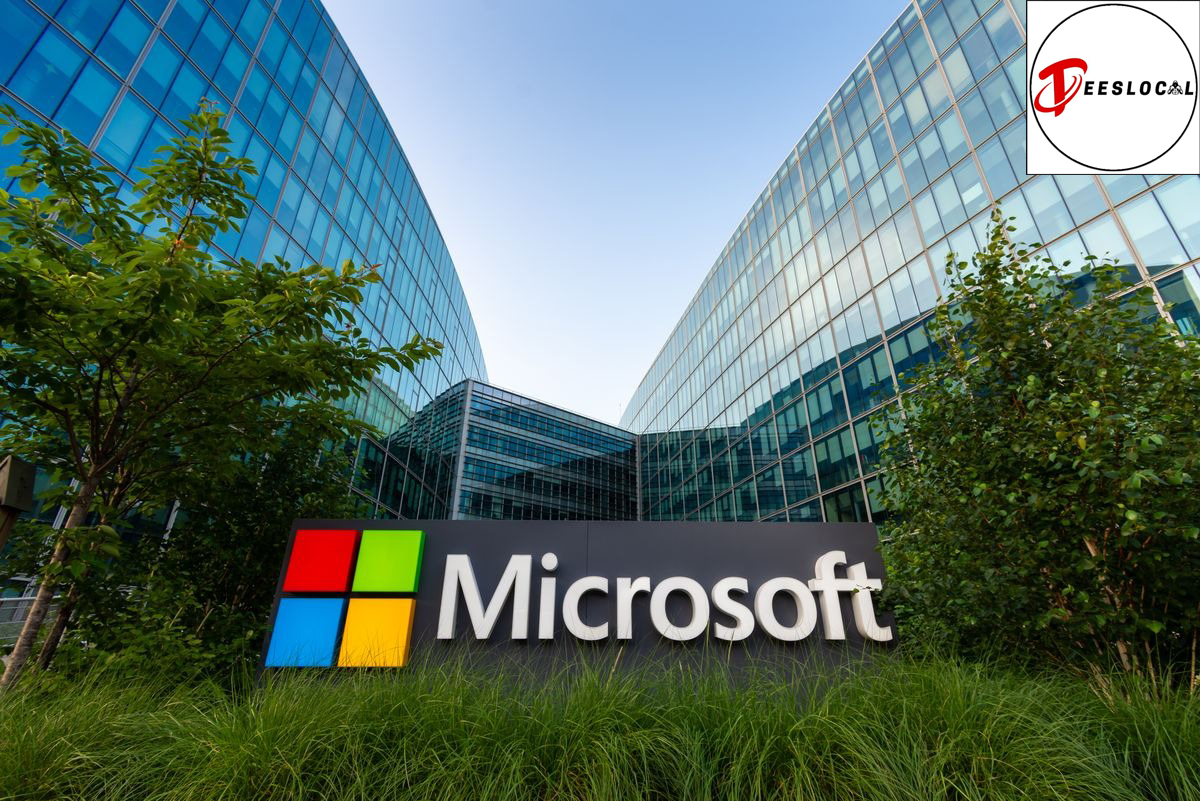
What made the outage particularly striking was its timing. In an era of hybrid and remote work, Microsoft’s services are no longer optional tools but essential infrastructure. Schools use Teams for virtual classrooms, healthcare providers depend on Outlook for scheduling and coordination, and global enterprises manage entire workflows through Microsoft’s cloud ecosystem. When these tools go dark, productivity doesn’t merely dip — it stalls.
Microsoft acknowledged the issue and began rolling out fixes, but the initial lack of clarity left users frustrated. Transparency during outages has become a critical expectation, and even brief gaps in communication can amplify anxiety. In this case, the silence underscored just how much trust users place in these platforms to “just work,” all the time.
The Fragility Behind Cloud Convenience
At first glance, cloud services like Outlook and Teams appear almost invincible. They are backed by massive data centers, redundant systems, and teams of engineers working around the clock. Yet outages like this reveal an uncomfortable truth: even the most robust digital infrastructures are not immune to failure.
The complexity of modern cloud systems is both their strength and their weakness. Updates are deployed continuously, integrations span countless third-party services, and security protocols are constantly evolving to counter new threats. A single misconfiguration, faulty update, or unexpected interaction between systems can cascade into a widespread disruption.
This incident also reignites an ongoing debate about centralization. When so many organizations depend on a single provider for email, messaging, document storage, and collaboration, the consequences of failure become disproportionately large. While Microsoft offers reliability metrics and service-level agreements, real-world outages remind users that no uptime guarantee is absolute.
For businesses, this raises important strategic questions. Should companies diversify their digital tools to reduce single points of failure? Is it worth maintaining backup communication channels, even if they are rarely used? And how should organizations train employees to respond calmly and efficiently when core systems go offline?
From an individual perspective, the outage served as a reminder of how seamlessly digital tools have merged with daily routines. When Outlook is unavailable, the absence feels almost physical, like losing access to a workspace. That sense of disorientation speaks volumes about how deeply integrated these platforms have become in modern life.
Lessons for Users and the Road Ahead
While Microsoft restored services and resumed normal operations, the broader implications of the outage linger. For users, the experience highlighted the importance of digital resilience. Knowing alternative ways to communicate, keeping critical contact information offline, and understanding basic troubleshooting steps can make a significant difference during unexpected disruptions.
For organizations, the incident offers a valuable opportunity for reflection. Business continuity planning is no longer just about natural disasters or physical emergencies; it must account for digital downtime as well. Regular drills, clear internal communication protocols, and transparent leadership responses can help reduce panic and maintain trust when systems fail.
From Microsoft’s standpoint, outages are not just technical events but reputational moments. How quickly issues are acknowledged, how clearly updates are communicated, and how effectively trust is rebuilt afterward all shape public perception. In a competitive market where alternatives exist, reliability is not merely a feature — it is a promise.
Looking forward, the demand for more resilient, decentralized, and transparent digital services is likely to grow. Users have become more informed and less forgiving of prolonged disruptions. At the same time, they recognize that innovation comes with risk, and that occasional failures are an inevitable part of complex technological systems.
Ultimately, the Outlook and Teams outage was more than a temporary inconvenience. It was a snapshot of our current digital reality — one where global productivity hinges on invisible systems humming quietly in the background. When that hum stops, even briefly, it reminds us to look beyond convenience and consider the structures that support our connected lives.
Turn Everyday Moments into Wearable Statements → https://teeslocal.com/