When the Philadelphia Eagles made the decision to entrust their offense to Sean Mannion, the move immediately sparked curiosity across the league. Mannion is not a flashy name, nor is he a headline-grabbing hire in the traditional sense. Yet within coaching circles, his rise has been steady, deliberate, and rooted in football intelligence rather than hype. To understand what this appointment could mean for the Eagles, it’s worth looking beyond surface-level assumptions and digging into who Mannion is, how he thinks the game, and why Philadelphia believes he is ready for this moment.
From NFL Quarterback to Offensive Mind
Sean Mannion’s playing career rarely placed him in the spotlight, but it quietly shaped the coach he has become. As a quarterback who spent years in NFL meeting rooms, practice fields, and film sessions, Mannion gained a front-row seat to how offenses actually function on Sundays. He experienced different systems, worked under multiple coordinators, and learned the realities of game-planning from the perspective of someone tasked with executing it under pressure.
That background matters. Mannion understands what quarterbacks need in order to play fast and confidently. He knows how terminology, structure, and play design can either simplify or complicate decision-making. Unlike coordinators who arrive from purely schematic or analytical backgrounds, Mannion’s foundation is rooted in lived experience. He has stood behind center, adjusted protections, read coverages in real time, and absorbed the consequences of play calls that worked or failed.
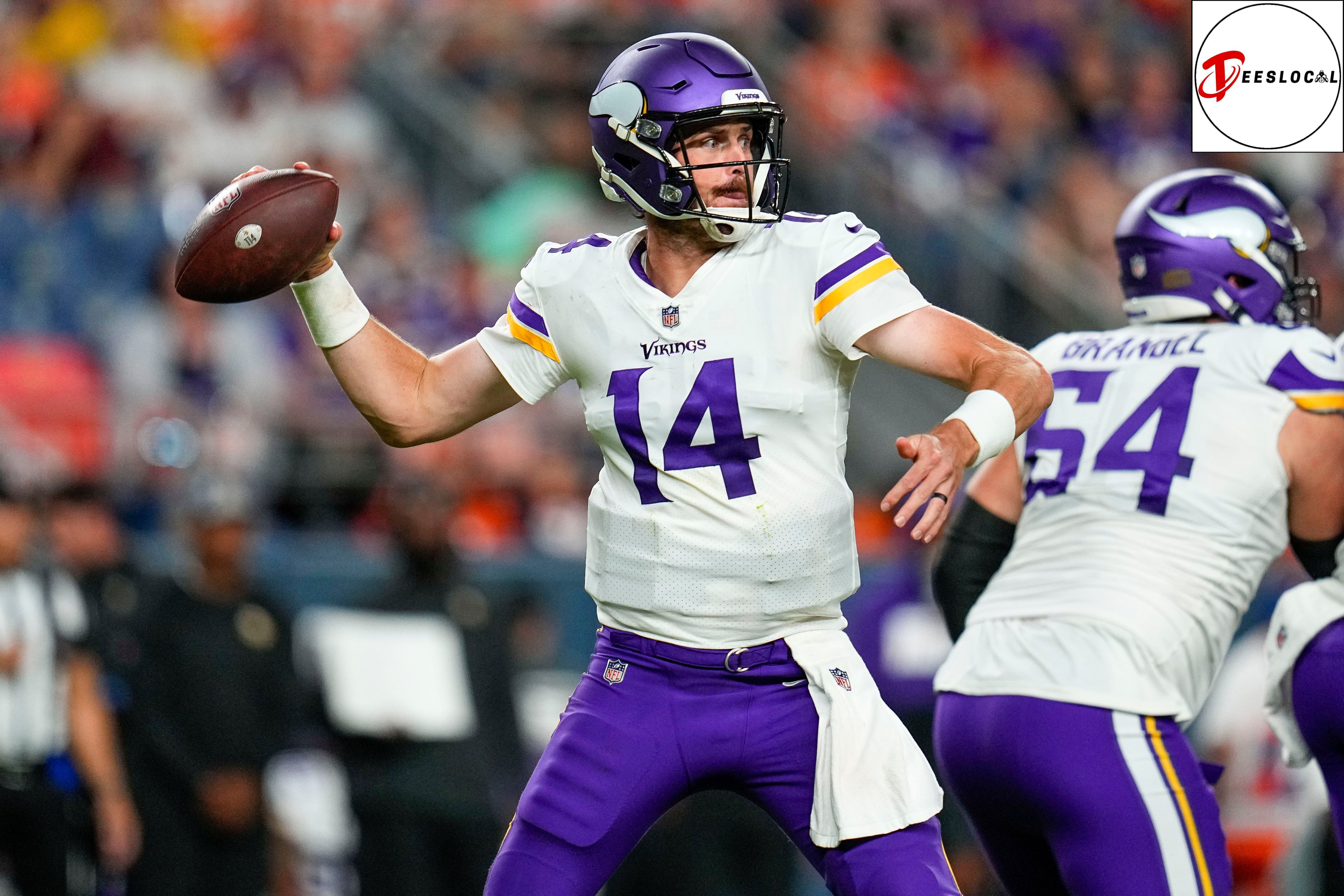
As a coach, he has carried that perspective into his teaching style. Those who have worked with Mannion often describe him as detail-oriented but calm, someone who values clarity over complexity. He is less interested in overwhelming players with volume and more focused on building a system where concepts layer naturally. This approach aligns with the modern NFL, where offensive success increasingly depends on execution, timing, and adaptability rather than sheer playbook size.
Offensive Philosophy and Scheme Fit in Philadelphia
The Eagles’ offensive identity has evolved significantly in recent seasons, blending physicality up front with flexibility in the passing game. Mannion’s challenge is not to reinvent that identity, but to refine and modernize it in ways that maximize the roster’s strengths. Early indications suggest that his philosophy leans toward balance, rhythm, and quarterback empowerment.
Mannion favors offenses that create answers before the snap. Motion, formation variation, and clear spacing are tools he uses to help quarterbacks diagnose coverage and get the ball out on time. Rather than relying solely on deep-developing routes, his approach emphasizes intermediate concepts, timing throws, and situational awareness. This can be especially valuable in high-pressure environments where defenses disguise looks and force quick decisions.
Another notable aspect of Mannion’s philosophy is adaptability. He is not married to a single system or ideology. Instead, he views offensive football as a living structure that must respond to personnel, opponent tendencies, and in-game flow. For the Eagles, this could mean more week-to-week variation, with game plans tailored to exploit specific matchups rather than forcing a uniform approach.
Importantly, Mannion’s quarterback-centric mindset fits well with a league increasingly defined by signal-caller play. He prioritizes communication, trust, and shared understanding between coordinator and quarterback. That relationship often determines how effectively an offense adjusts when things break down. In Philadelphia, where expectations are high and scrutiny is constant, having an offensive coordinator who can maintain clarity amid chaos could prove invaluable.
What Mannion’s Leadership Means for the Eagles’ Future
Beyond schemes and play designs, Sean Mannion’s appointment speaks to a broader organizational philosophy. The Eagles have shown a willingness to invest in emerging coaching talent, betting on preparation, intelligence, and long-term upside rather than established notoriety. Mannion represents that bet.
His leadership style is understated but intentional. He is known for thorough preparation and for creating environments where players feel comfortable asking questions and offering feedback. That collaborative atmosphere can foster growth, particularly for younger players still learning the nuances of NFL football. Over time, this can translate into an offense that operates with cohesion and confidence rather than relying on improvisation alone.
There is also a developmental angle to consider. Mannion’s experience as both player and coach positions him well to nurture quarterbacks and skill players alike. He understands the incremental nature of improvement and the importance of building habits that sustain success over a full season. For an Eagles team with championship aspirations, that steady developmental hand could be just as important as any tactical innovation.
Ultimately, Mannion’s success will be judged by results on the field. Points scored, drives sustained, and games won will define his tenure more than any philosophical discussion. Still, his arrival signals a thoughtful, calculated step by the Eagles. It reflects confidence in a coach who has earned his opportunity through preparation and perspective rather than spectacle.
As the season unfolds, all eyes will be on how Mannion’s ideas translate into execution. Whether he becomes a long-term fixture in Philadelphia or a stepping stone to greater recognition elsewhere, his journey offers a compelling example of how modern NFL coaching careers are built not on noise, but on substance.
Turn Game-Day Energy into Everyday Statement Pieces → https://teeslocal.com/