Every year, the State of the Union address stands as one of the most closely watched political events in the United States. In 2026, the anticipation feels especially heightened. With a shifting political climate, pressing domestic concerns, and global tensions that continue to evolve, many Americans are asking the same question: what time does the 2026 State of the Union start, and where can you watch it?
Whether you follow politics closely or simply want to stay informed, here’s a comprehensive guide to when the address begins, how to tune in, and why this annual speech continues to matter.
When the 2026 State of the Union Is Expected to Begin
Traditionally, the State of the Union address takes place in late January or early February. While the exact date is determined by the White House and formally invited by the Speaker of the House, the speech almost always begins at 9:00 p.m. Eastern Time. That primetime slot is chosen deliberately, allowing Americans across time zones to watch after work and school.
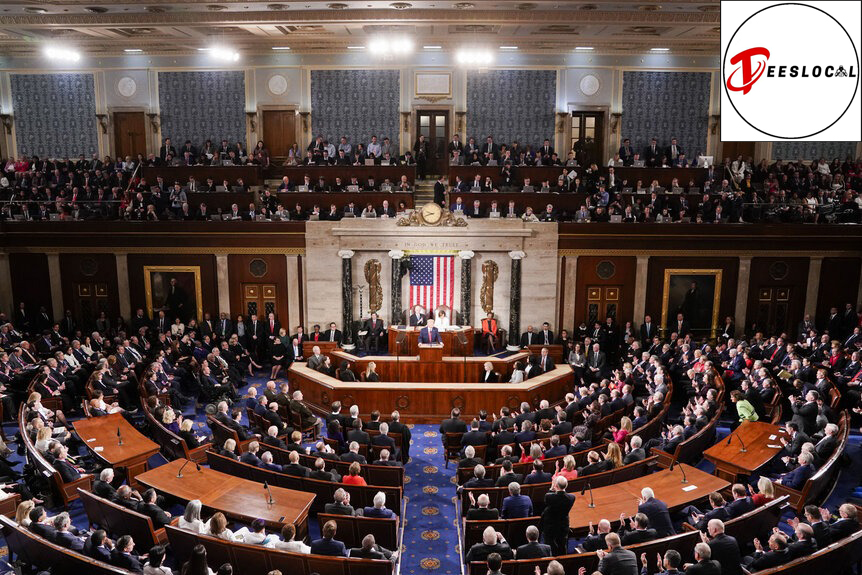
In 2026, viewers can reasonably expect the address to start at 9:00 p.m. ET, which translates to 6:00 p.m. Pacific Time. If you’re in the Midwest, that means 8:00 p.m. Central Time. The speech is delivered in the House chamber at the U.S. Capitol and typically runs between one hour and one hour and twenty minutes, though it can sometimes stretch longer depending on the scope of the president’s agenda.
The event itself is deeply ceremonial. Members of Congress gather on the House floor, joined by the Vice President and the Speaker of the House seated behind the president. Cabinet members, Supreme Court justices, military leaders, and invited guests fill the chamber and gallery. One cabinet member is designated as the “designated survivor,” remaining at a secure undisclosed location as part of longstanding security protocol.
Beyond tradition, timing also carries political weight. The 2026 address will likely serve as a defining moment for the current administration. With midterm election cycles always on the horizon, the president’s message may outline policy priorities, defend legislative accomplishments, and frame the national conversation for the year ahead.
Where to Watch the 2026 State of the Union Live
The State of the Union is one of the most accessible political events in the country. You don’t need a cable subscription or special access to watch it. Nearly every major broadcast and cable network carries the speech live, often beginning coverage well before the president takes the podium.
Networks such as ABC, CBS, and NBC traditionally air the address in full. Cable news channels like CNN, Fox News, and MSNBC provide live coverage along with pre and post speech analysis. If you prefer public broadcasting, PBS also carries the event, frequently offering uninterrupted streams and in depth commentary.
For those who rely on streaming, there are plenty of options. Most major news organizations stream the address live on their websites and YouTube channels. The White House website typically hosts an official livestream as well, ensuring direct access to the speech without commentary. Social media platforms including X, Facebook, and YouTube often feature live streams from verified news accounts.
If you don’t have access to traditional television, you can watch through streaming services that offer live TV packages, such as Hulu + Live TV, YouTube TV, Sling TV, and others. These platforms generally include the major networks broadcasting the event.
In addition, many outlets provide real time fact checking and interactive features. Some websites display live transcripts alongside the speech, allowing viewers to read and listen simultaneously. This can be especially helpful for those who want to analyze specific policy statements or share key quotes.
For international viewers, major global networks such as BBC World News often provide coverage as well. The State of the Union is not only a domestic event but also a global one, signaling U.S. priorities to allies and adversaries alike.
Why the 2026 State of the Union Matters
The State of the Union is more than a speech. It is a constitutional requirement. Article II, Section 3 of the U.S. Constitution directs the president to provide Congress with information about the “state of the union” and recommend measures deemed necessary and expedient. Over time, what began as a written report delivered to Congress evolved into a nationally televised address.
The modern State of the Union serves multiple purposes. First, it allows the president to highlight legislative achievements from the past year. This often includes economic indicators, job growth numbers, infrastructure investments, healthcare initiatives, and national security actions. The speech becomes a narrative of progress as seen through the administration’s lens.
Second, it sets the policy agenda for the year ahead. Major proposals are often unveiled or emphasized during this address. Whether it involves tax reform, climate initiatives, defense spending, immigration policy, or education funding, the speech outlines what the White House hopes to accomplish next.
Third, it is a powerful messaging platform. With millions of Americans watching live and many more consuming clips and commentary afterward, the State of the Union provides a rare opportunity to speak directly to the nation without filters. Presidents often introduce special guests in the gallery whose personal stories underscore key policy points. These moments are designed to humanize complex issues and connect legislation with lived experience.
In 2026, the stakes may be particularly significant. Depending on the political landscape, the address could shape debates heading into upcoming elections. Economic concerns, foreign policy challenges, and social issues will likely feature prominently. Observers will pay close attention not only to what is said but also to what is omitted.
The opposition party traditionally delivers a response shortly after the president concludes. This rebuttal provides an alternative vision and often signals the central themes of political contention in the months ahead. Watching both the address and the response can offer a fuller understanding of the national conversation.
For everyday citizens, tuning in offers a chance to evaluate leadership firsthand. Rather than relying solely on headlines or social media reactions, viewers can hear the tone, priorities, and commitments directly from the president. Whether one agrees or disagrees with the policies outlined, the event remains a cornerstone of democratic engagement.
How to Prepare for Watching the Address
If you plan to watch the 2026 State of the Union, consider setting aside uninterrupted time beginning at least fifteen minutes before the scheduled start. Pre speech coverage often provides context about expected themes and the political environment.
You may also want to follow along with a live transcript, especially if you are interested in specific policy proposals. Taking notes or marking timestamps can help if you plan to discuss the speech later or reference particular statements.
After the address, many news outlets publish detailed breakdowns of key claims, including fact checks and expert analysis. Comparing multiple sources can provide a more balanced perspective.
Ultimately, the State of the Union remains a moment when the country pauses, listens, and reflects on its direction. In an era of fragmented media and constant information flow, that shared experience still carries weight.
Stay Ahead of the Conversation with Statement Inspired Apparel → https://teeslocal.com/