College basketball fans often talk about parity, surprises, and Cinderella runs. Yet some seasons circle back to a different truth. The programs built on culture, discipline, and sustained excellence find their way to the same place when the stakes rise. This year’s women’s tournament has brought that truth into sharp focus as South Carolina Gamecocks, Texas Longhorns, UConn Huskies, and UCLA Bruins have once again navigated the bracket to meet at the sport’s grandest stage.
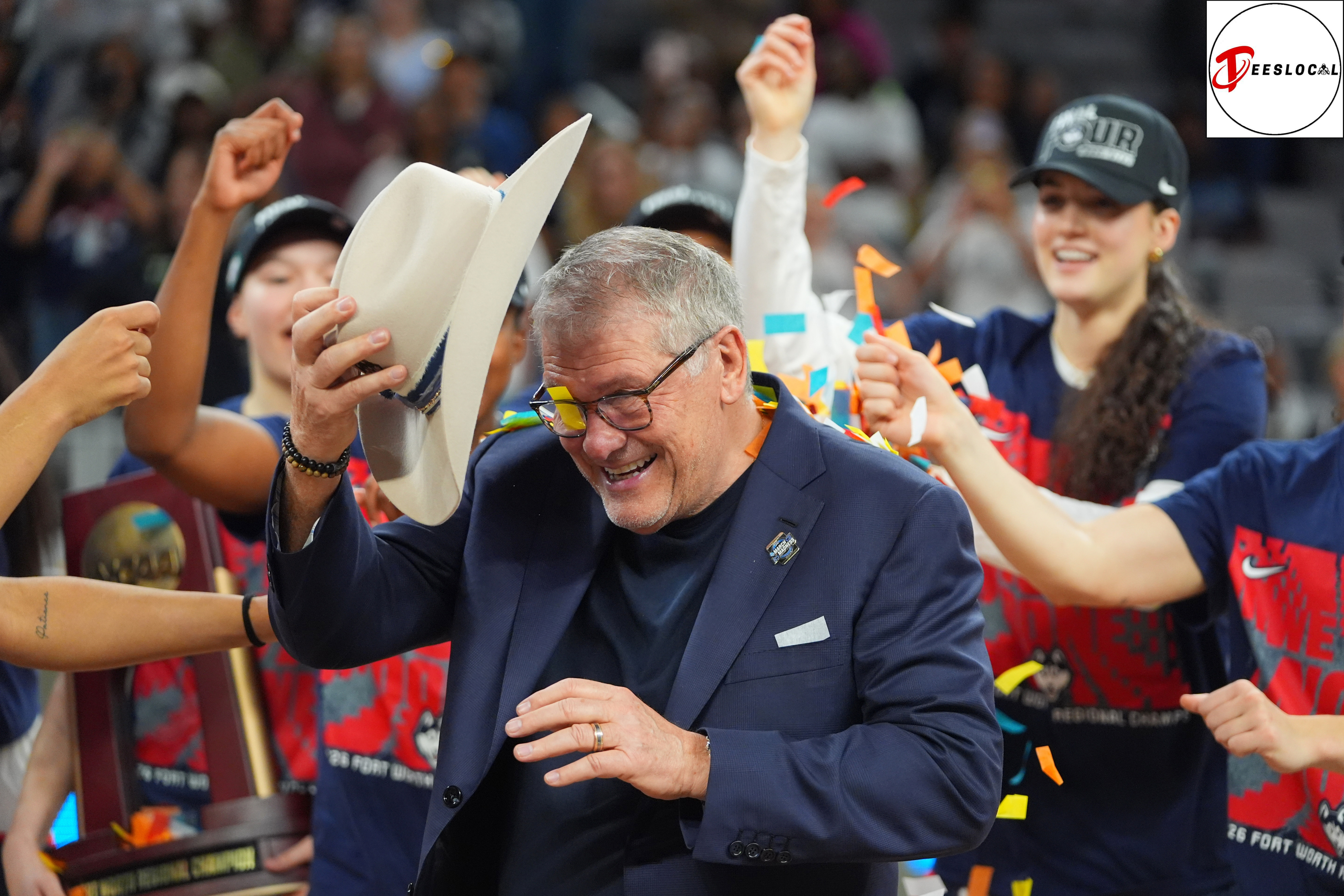
For longtime followers of the game, this Final Four feels less like a surprise and more like a reunion. These are programs that do not simply peak for a season. They build systems that make returning to this moment an expectation rather than an aspiration. Their presence here is not built on hot shooting weeks or favorable matchups. It is the result of years of recruiting, player development, coaching continuity, and an unspoken belief inside each locker room that this destination is part of the annual plan.
There is something compelling about watching the same elite programs run it back. It shifts the narrative from who got lucky to who got better. And in this case, all four teams arrive with sharper identities, deeper rotations, and more polished versions of the playing styles that carried them here before.
Programs Built to Last, Not Just to Peak
Sustained excellence in college basketball is one of the hardest feats in sports. Rosters turn over every year. Star players graduate, leave early, or evolve into professional prospects. Assistant coaches move on. Systems get copied. Yet these four programs have found a way to keep reloading without losing their core identity.
South Carolina continues to showcase what a modern powerhouse looks like: physical, relentless, and emotionally composed. Their style suffocates opponents over forty minutes. They do not rely on one star to carry them. Instead, waves of capable players roll through the rotation, each understanding their role. The Gamecocks do not panic. They impose.
Texas thrives on grit and defensive accountability. Every possession feels earned against them. They turn games into battles of discipline, where opponents are forced to make perfect decisions under pressure. Their path back to the Final Four has once again highlighted how defense travels, especially in March.
UConn’s return feels both familiar and renewed. The Huskies carry the weight of history every season, yet they continue to adapt. Their offense remains fluid and intelligent, driven by spacing, timing, and players who read the game instinctively. They play with the confidence of a program that has been here many times, but with the hunger of a team that refuses to live on reputation.
UCLA represents a slightly different arc. Their ascent to repeat this stage is a testament to patient growth. The Bruins have steadily matured into a team that blends athleticism with tactical discipline. Their development curve shows how a program can rise into the elite tier not through a single breakthrough year, but through sustained improvement.
What connects these four teams is not just talent. It is culture. Each program has built an environment where players expect to compete at the highest level. When new athletes arrive, they step into an ecosystem already wired for success.
Evolution Since the Last Time They Met Here
Even though these teams have been in this position before, they do not look exactly the same. That is part of what makes this repeat Final Four so intriguing. It is not a replay. It is a sequel with deeper storylines.
South Carolina’s evolution is visible in their offensive versatility. Where they once leaned heavily on interior dominance, they now spread the floor with greater confidence. Their guards create spacing that makes their frontcourt even more dangerous. The balance between perimeter and paint has become a defining advantage.
Texas has added layers to its offense as well. Known primarily for defense, the Longhorns now show more patience and creativity when the ball is in their hands. They can grind out possessions, but they can also strike quickly when opportunities appear. That adaptability makes them far less predictable than before.
UConn’s growth is rooted in resilience. Injuries and roster challenges earlier in the season forced new contributors into bigger roles. Those experiences have paid off in March. The Huskies now feature a lineup that trusts one another deeply because they have navigated adversity together. Their chemistry is evident in how they move without the ball and communicate on defense.
UCLA’s transformation is perhaps the most striking. The Bruins no longer feel like the rising contender. They feel established. Their composure in tight games shows a maturity that only comes from repeated exposure to high stakes situations. They look comfortable in the spotlight.
These changes matter because tournament basketball is about adjustments. Familiar opponents do not guarantee familiar outcomes. Each team brings new wrinkles that demand fresh preparation and sharper execution.
What This Repeat Final Four Says About the State of the Game
There is a broader story unfolding here beyond the matchups themselves. The return of these four programs to the Final Four highlights the current balance in women’s college basketball. While the sport has seen incredible growth in parity and national attention, the programs that invest deeply in long term development still rise to the top.
This is not a contradiction. It is a sign of a healthy ecosystem. Emerging teams are challenging the traditional powers, but the powers are responding by evolving rather than fading. The result is a higher overall level of play.
Fans benefit from this dynamic. When elite programs meet again on the biggest stage, the games carry added weight. There is history. There is respect. There is a sense that every possession is part of a longer narrative between programs that know each other well.
For players, this environment is invaluable. Competing against the best, year after year, sharpens their understanding of the game. It prepares them for professional careers and elevates the standard for everyone watching.
For coaches, it reinforces the importance of building beyond a single recruiting class. Systems, culture, and adaptability matter as much as star power. These four teams are case studies in how to sustain excellence without becoming stagnant.
As the tournament reaches its climax, the spotlight will shine on individual performances, clutch shots, and defining moments. But the bigger takeaway may be this: greatness in college basketball is rarely accidental. It is built patiently, protected fiercely, and refined constantly.
Seeing South Carolina, Texas, UConn, and UCLA here again is not a repetition of the past. It is proof that elite programs know how to write new chapters without losing the essence that brought them success in the first place.
Refresh Your Wardrobe with Statement Tees → https://teeslocal.com/